
Revival of the Ancient Free Gardeners Society
Discover the rich history of the Ancient Order of Free Gardeners, a fraternal society originating in 17th-century Scotland. Learn about its revival across the globe, including in the Philippines, Australia, Europe, and North America.
WM Ian Bolinao
8/31/20256 min read
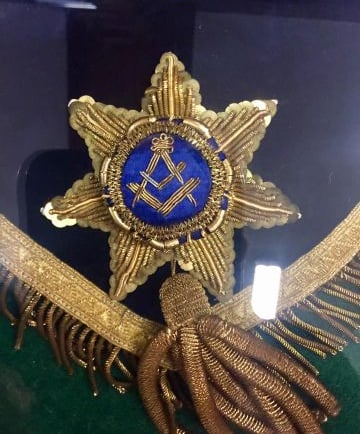
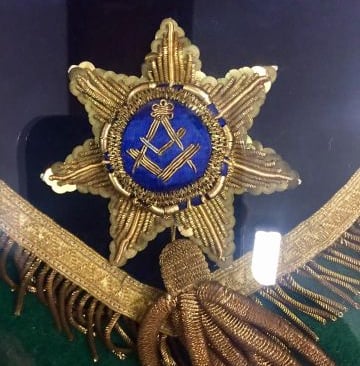
The Ancient Order of Free Gardeners is a fraternal society rooted in 17th-century Scotland. While it nearly vanished in the 20th century, it has seen a significant revival in recent years, particularly in the Philippines, Australia, and parts of Europe and North America.
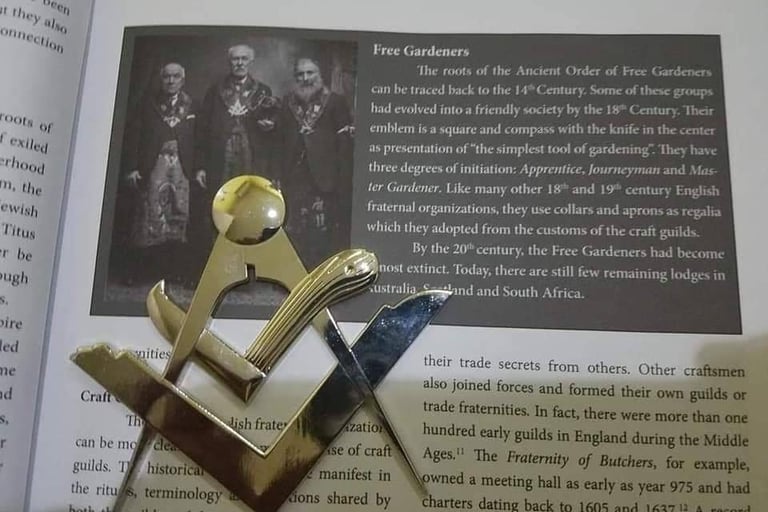
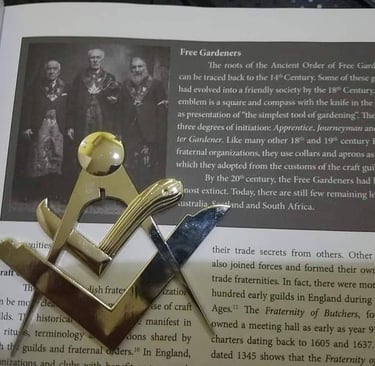
Unlike Freemasonry (which relies on stonemason tools), Free Gardeners use gardening metaphors, pruning vices and cultivating virtues rooted in the biblical Garden of Eden.
Who Can Join?
Membership in the Order is open to all men aged 20 and above, regardless of race or religious background. This inclusive approach reflects the organization's commitment to diversity and unity, recognizing that strength comes from various perspectives and experiences. The Order actively encourages individuals from different walks of life to come together, fostering an environment where everyone feels valued and respected.
The eligibility criteria concerning age highlight a dedication to maturity and the ability to engage thoughtfully in discussions and community activities. Candidates are expected to exhibit a willingness to contribute positively to the Order's objectives and uphold its principles. While there are no restrictions based on race or religion, the emphasis is placed on a shared commitment to the core values of the organization.
Incorporating individuals from varying backgrounds not only enriches the community but also enhances collective problem-solving capabilities. Such diversity fosters an atmosphere of mutual learning and respect, where members can share their unique insights and cultural perspectives. As a result, the Order becomes a microcosm of society, promoting inclusivity while also creating opportunities for lasting friendships and strong bonds among members.
This welcoming nature is integral to the Order’s ethos, as it nurtures an environment wherein every participant can thrive and feel secure. By setting no barriers on the basis of race or religious beliefs, the organization embodies its commitment to equality and acceptance. Joining the Order means becoming part of a larger family that values mutual support, respect, and shared goals, ultimately creating a richer community experience for all involved.
Understanding the Joining Process
The process of joining an order can be both invigorating and insightful. To embark on this journey, a potential member must first locate a lodge that aligns with their values and aspirations. This involves researching local lodges, understanding their community involvement and ethos, and identifying which may best suit their personal goals.
Once a suitable lodge is selected, reaching out to representatives is the next crucial step. Most lodges offer contact information on their websites, including phone numbers and email addresses. Engaging with a representative allows for a deeper understanding of the lodge's specific practices and requirements. This interaction is vital for clarifying any questions regarding membership and the commitments involved.
After this initial contact, the prospective member will typically fill out an application form. This form often requires personal details, including previous affiliations, reasons for joining, and personal references. Completing this form not only demonstrates a genuine interest in becoming a member but also initiates a background check that many lodges perform to ensure the integrity of their community.
Submission of the application may be followed by an interview process where members of the lodge assess the candidate's fit within the order’s values and culture. Each lodge may have its unique protocol; thus, understanding this step's significance is vital, as it serves to safeguard the lodge's standards and principles.
Finally, upon the successful completion of all previous steps and once the application is approved, the candidate is invited to the conferral of degrees ceremony. This significant ritual not only marks the culmination of the joining process but also symbolizes the new member’s commitment to the order. Each aspect of this journey is designed to ensure that individuals fully grasp the responsibilities and opportunities afforded to them as they integrate into the community.
The Informal Home Visit
The informal home visit represents a crucial component of the membership process within the order. Conducted by a small group of existing members, this visit serves multiple purposes, all geared towards fostering a deeper understanding between the prospective member, their family, and the order itself. It is during this visit that meaningful connections can be established, allowing both the applicants and current members to interact in a relaxed environment, which is often conducive to open conversation.
This visit is not merely a formality; it offers a unique opportunity for applicants and their families to gain insight into the order's values, mission, and community dynamics. By meeting with current members in a familiar setting, applicants can ask questions that might not arise in more formal settings, thereby clarifying their thoughts and feelings about joining the order. This face-to-face interaction creates a more personal and human connection, making it easier for applicants to gauge whether the order aligns with their principles and aspirations.
Furthermore, the informal visit allows current members to assess the compatibility of the candidates with the order's culture. It is an essential step in ensuring that new members will contribute positively to the community. Both parties benefit from this exchange, as it allows the current members to share their experiences while providing applicants with a realistic view of what membership entails.
Opportunities for Women in the Order
Throughout history, the role of women within fraternal organisations has evolved significantly, reflecting broader societal changes in gender equality. In the context of the Order, women have found valuable opportunities for engagement and leadership, particularly through the Ancient Order Lady Free Gardeners (AOLFG). The AOLFG was established to complement the existing male-dominated structure while providing a supportive community for women. This significant development marked a turning point in the history of the Order, as it allowed women to participate in activities previously reserved for men.
The AOLFG is dedicated to the principles of mutual aid and community service, emphasising the importance of social bonds and charitable initiatives. Women who join this organisation often find that their participation helps foster a sense of belonging and purpose, aligning with the fundamental values of the Order. Furthermore, the AOLFG has broken down several barriers that traditionally restricted female membership within fraternal societies, thereby promoting an atmosphere of inclusion and collaboration.
Historically, the initiation process for women in the Order has also undergone transformation. Initially, women were often viewed as ancillary participants; however, with time, they have been formally initiated into specific lodges. This change has enabled women to hold leadership positions, participate in decision-making processes, and enjoy equal rights within organisational frameworks. These opportunities have not only empowered women but have also enriched the Order by fostering diverse perspectives and experiences.
As the dynamics of membership continue to evolve, women's presence in the Order strengthens the collective efforts of its members. By embracing the participation and leadership of women, the AOLFG reinforces its commitment to equality, ensuring that the Order remains relevant and progressive in contemporary society. The future of the Order will undoubtedly benefit from the invaluable contributions of its female members, paving the way for an inclusive and equitable environment.
1. Locate an Active Lodge
Because the ancient order is reviving rather than globally ubiquitous, you must first find which specific jurisdiction operates near you.
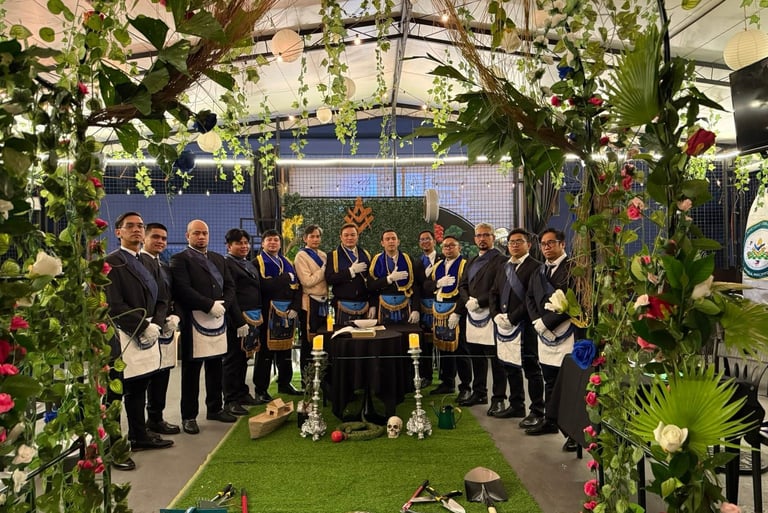
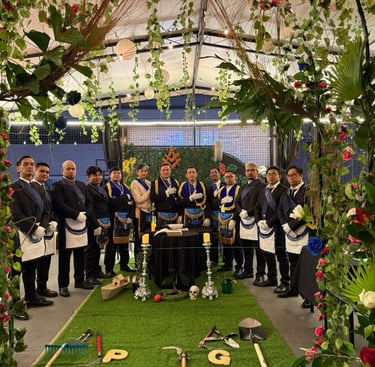
The Philippines (Most Active): The Independent Ancient Order of Free Gardeners (IAOFG) is currently the most rapidly expanding branch.
Locations: Manila, Cavite, Taguig City, Pampanga, Paranaque and growing provinces.
Recent Activity: Establishment of the "Ancient Fleur De Lys Lodge No. 1" in late 2024.
Australia: Look for the Grand United Order of Free Gardeners.
Location: Victoria (active in East Kew).
Scotland & UK: Primarily historical preservation lodges, though some (like the Countess of Elgin Lodge No. 105) have been revived.
North America/Europe: Small "seed" lodges exist (e.g., Virginia, USA; Schwetzingen, Germany), often operating under the International Order or as independent bodies.
2. Membership Requirements
While specific requirements vary by lodge, the general standards in 2025 are:
Age: Minimum 20 or 21 years old.
Belief: Belief in a Supreme Being (often required, similar to Freemasonry).
Character: A clean criminal record and a reputation for good morals.
Gender: Historically male-only. The active Philippines branch specifically cites "men aged 20 and above."
3. The Joining Process (IAOFG Model)
If you are joining the active Philippine branch, the process is standardised:
Inquiry: Contact a lodge representative (often via their official website or social media pages).
The Home Visit: Unlike many orders that interview you at a hall, Free Gardeners often conduct a casual home visit. A small group of members will visit you and your family to ensure you understand the commitment and that your family supports your joining.
Petition & Fees: You will fill out a formal petition.
Cost Note: Fraternal orders do not have a "cost per day." Instead, expect an Initiation Fee (one-time) and Annual Dues.
The Degrees: Once accepted, you will pass through three degrees (rituals) similar to the Masonic system but with different symbolism:
1st Degree (Apprentice): Symbolism of Adam and the Garden of Eden.
2nd Degree (Journeyman): Symbolism of Noah and the Ark.
3rd Degree (Master Gardener): Symbolism of Solomon and the Olive Tree.
Overall, the importance of the informal home visit cannot be overstated. It emphasises the order's commitment to transparency and community, creating an environment where potential members feel supported and encouraged to embark on this new journey together with the existing membership. This carefully balanced interaction is foundational, guiding the applicants as they consider their potential future within the order.
About IAOFG
Independent Ancient Order of Free Gardeners: a fraternal society rooted in Scottish gardening traditions since 1676
CONTACT - Whatsapp
Community
+1780-808-1392 | Alberta Canada
Independent Ancient Order Free Gardeners © 2026. All rights reserved.
+074-467-209-49 | Scotland
+63968-853-1346 | Philippines
+85265404907 | Kowloon, Hong Kong

EMAIL US:
Past Sovereign Master
Members Directory
Adult Leadership