
Greenock Lodge of the Free Operative Gardeners
Discover the historical significance of the Greenock Lodge of the Free Operative Gardeners Society, established in the early 19th century as part of the gardening movement that shaped the local community.
ARTICLE: ANCIENT FREE GARDENERS
WB Efren Escovido
1/1/20264 min read

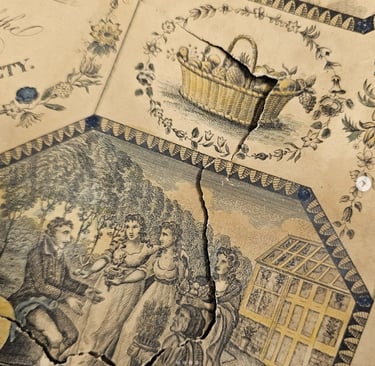
The Origins of the Free Gardeners Societies
The origins of the Free Gardeners Societies can be traced back to 17th century Scotland. Emerging during a period characterized by a growing interest in horticulture and agriculture, these societies were established to foster a supportive community among gardeners. The Enlightenment influenced many aspects of life during this era, including garden cultivation and landscape design, prompting the formation of groups where knowledge and assistance could be shared among members.
Initially, the Free Gardeners Societies focused on providing mutual aid, education, and social interaction among those engaged in the practice of gardening and cultivation. Gardeners faced numerous challenges, and through these societies, they found a fraternal network to navigate uncertainty in their work. Members were often bound by specific rules and rituals, which helped to create a strong sense of identity and purpose.
The movement gradually spread beyond Scotland's borders, reaching England and Ireland. This expansion can be attributed to several key figures who were instrumental in promoting the ideals of the Free Gardeners. For example, the establishment of local lodges in various towns acted as a catalyst for greater participation in horticultural practices and the dissemination of knowledge. The principles of fraternity, community service, and self-improvement resonated with a wider audience, allowing these societies to flourish.
By the 19th century, the Free Gardeners Societies had cemented their presence with the propagation of their core ideals, and they became recognized as valuable institutions within the gardening community. Their emphasis on camaraderie and education allowed them to persist through changing social dynamics, continuing to impact gardening practices and horticultural education in the years to come.
The Greenock Lodge: A Historical Overview
The Greenock Lodge of the Free Operative Gardeners Society holds a significant place in the historical tapestry of the local community. Established in the early 19th century, this lodge was part of a broader movement that aimed to foster camaraderie among gardeners and horticulturalists who shared common interests in the promotion of gardening as a noble profession. The importance of the lodge extended beyond mere fellowship; it provided members with a platform to influence horticultural standards and share knowledge vital for agricultural improvement.
Initially, the lodge convened at various reputable venues, which played a critical role in shaping its identity. One prominent location was the Tontine Hotel, a hub of social activity in Greenock, where members gathered not only to conduct their meetings but also to socialize and strengthen bonds. The atmosphere of mutual respect and collaboration established at the Tontine significantly contributed to the lodge's reputation and effectiveness as a union of gardeners.
As the lodge evolved, it later moved its meetings to the Masonic Hall, another important venue that offered the necessary facilities for larger gatherings. This location allowed for more elaborate ceremonies and events, further enhancing the sense of fraternity among the gardeners. The physical spaces in which the lodge operated were more than just meeting points; they served as symbols of the lodge’s values and commitment to community engagement.
Throughout its history, the Greenock Lodge has reflected the changing dynamics of gardening practices and societal attitudes towards horticulture. It became a local institution, highlighting the essential contributions of gardeners to the community while championing the significance of cooperative efforts to promote gardening as a vital occupation for both economic and social well-being.
Community Impact and Philanthropy of the Greenock Lodge
The Greenock Lodge of the Free Operative Gardeners Society has long exemplified commitment to social responsibility and community engagement. Among various activities, one particularly notable event occurred in August 1886, when members banded together to tidy and maintain the grave of Highland Mary, a tribute that reflects deep local historical significance. This act was not merely about physical clean-up; it symbolized respect for heritage and an acknowledgment of the prominent figures in their community's history.
Beyond this specific event, the Greenock Lodge has consistently demonstrated a profound dedication to philanthropy. The lodge has actively supported its members in times of need, providing assistance during hardships such as illness, unemployment, or family crises. This support is representative of a longstanding tradition among fraternal organizations, where the welfare of members is prioritized, fostering a sense of unity and belonging that extends beyond mere sociability.
Furthermore, the lodge's mission includes a strong focus on community service. Engaging in charitable activities not only uplifts those in need but also fosters a spirit of togetherness among members. Contributions can take various forms, including fundraising campaigns, community clean-up initiatives, and educational programs designed to benefit the local populace. Such efforts underpin the lodge's role as a vital community pillar, reinforcing the values of altruism and collective action.
The historical and ongoing community engagement activities undertaken by the Greenock Lodge illustrate the significance of their charitable pursuits. By addressing the needs of their members and the wider community, the lodge sustains its reputation as a cornerstone of support and goodwill within Greenock. Ultimately, this commitment to philanthropy epitomizes the lodge's foundational principles, reflecting a legacy of positive community impact that continues to influence its members today.
The Legacy of the Free Operative Gardeners Society in Modern Times
The Free Operative Gardeners Society, particularly the Greenock Lodge, has left a lasting impact that continues to resonate within gardening communities and beyond. Established in the early 19th century, this society not only championed practical gardening skills but also promoted the ideals of fraternal cooperation and mutual support among its members. Today, the essence of these values is evident in contemporary gardening organizations, community beautification projects, and various horticultural clubs that emphasize collaboration and shared knowledge.
In recent years, the resurgence of interest in sustainable gardening practices has led many individuals and groups to revisit the communal spirit established by societies like the Free Operative Gardeners. Their focus on organic gardening and environmental stewardship aligns closely with modern values of sustainability. Local gardening clubs, often inspired by historical groups, emphasize the importance of knowledge exchange regarding gardening techniques that foster biodiversity and environmental health.
Moreover, the principles of mutual support and fraternity that were central to the society’s mission can be seen in the cooperative gardening movements prevalent today. Community gardens, for instance, encourage people to engage in collective gardening efforts, offering opportunities to share resources, skills, and fresh produce. Through these initiatives, the values of the Free Operative Gardeners Society are preserved and layered with new meanings, fostering a sense of belonging and community resilience.
The legacy of the Greenock Lodge and similar organizations exemplifies a timeless dedication to community-building. As gardening continues to evolve in the modern era, the foundational ideals of cooperation and support, which were champions by the Free Operative Gardeners Society, remain relevant, inspiring new generations to cultivate both gardens and community bonds.
About IAOFG
Independent Ancient Order of Free Gardeners: a fraternal society rooted in Scottish gardening traditions since 1676
CONTACT - Whatsapp
Community
+1780-808-1392 | Alberta Canada
Independent Ancient Order Free Gardeners © 2026. All rights reserved.
+074-467-209-49 | Scotland
+63968-853-1346 | Philippines
+85265404907 | Kowloon, Hong Kong

EMAIL US:
Past Sovereign Master
Members Directory
Adult Leadership